When you list out everyone involved in your child's care, the number can be surprising. Pediatrician. Developmental pediatrician. Neurologist. Psychiatrist. Speech therapist. Occupational therapist. Physical therapist. ABA provider. Special education teacher. General education teacher. School psychologist. Behavior analyst. Social worker. Case manager.
Each of these professionals may be excellent at what they do. But they often operate in silos — seeing your child for an hour a week at most, reading whatever records they have, and making decisions based on an incomplete picture.
The person who sees the whole picture is usually you.
Why Coordination Matters
Uncoordinated care isn't just inefficient — it can actively work against your child. A medication prescribed by one provider might interact with something another prescribed. A behavioral strategy that works at home might conflict with what the school is doing. A goal set in OT might depend on progress in speech therapy that hasn't happened yet.
The more complex your child's needs, the higher the stakes of coordination gaps.
Parents who actively manage the coordination function — sharing records across providers, keeping everyone updated on relevant changes, ensuring goals are aligned — see better outcomes. Not because they're doing the providers' jobs, but because they're filling a role that the system doesn't currently have.
Who Belongs on the Team
Your core care team will vary, but for most children with complex needs it includes:
Medical providers: Primary care physician, any specialists relevant to your child's diagnoses (neurology, psychiatry, GI, cardiology, etc.), developmental pediatrician.
Therapy providers: Speech-language pathologist, occupational therapist, physical therapist, ABA provider or behavior analyst, mental health therapist.
Educational team: Special education teacher, general education teacher, school psychologist, any aides or paraprofessionals.
Support roles: Social worker or case manager, IHSS provider (if applicable), respite care workers, family members who regularly provide care.
Keeping Everyone Aligned
A few practices that make a real difference:
Centralize your records. If every provider is working from their own siloed notes, gaps are inevitable. When you maintain a complete record of diagnoses, medications, goals, and progress — and can share relevant parts with each provider — everyone is working from the same baseline.
Share therapy goals across providers. If your child is working on a specific communication strategy in speech therapy, their ABA provider and teacher should know about it. Consistency across settings accelerates progress.
Keep an updated summary. A one-page summary of your child's diagnoses, current medications, active goals, and care team contact information is invaluable at new appointments, school meetings, and emergency situations. Update it after any significant change.
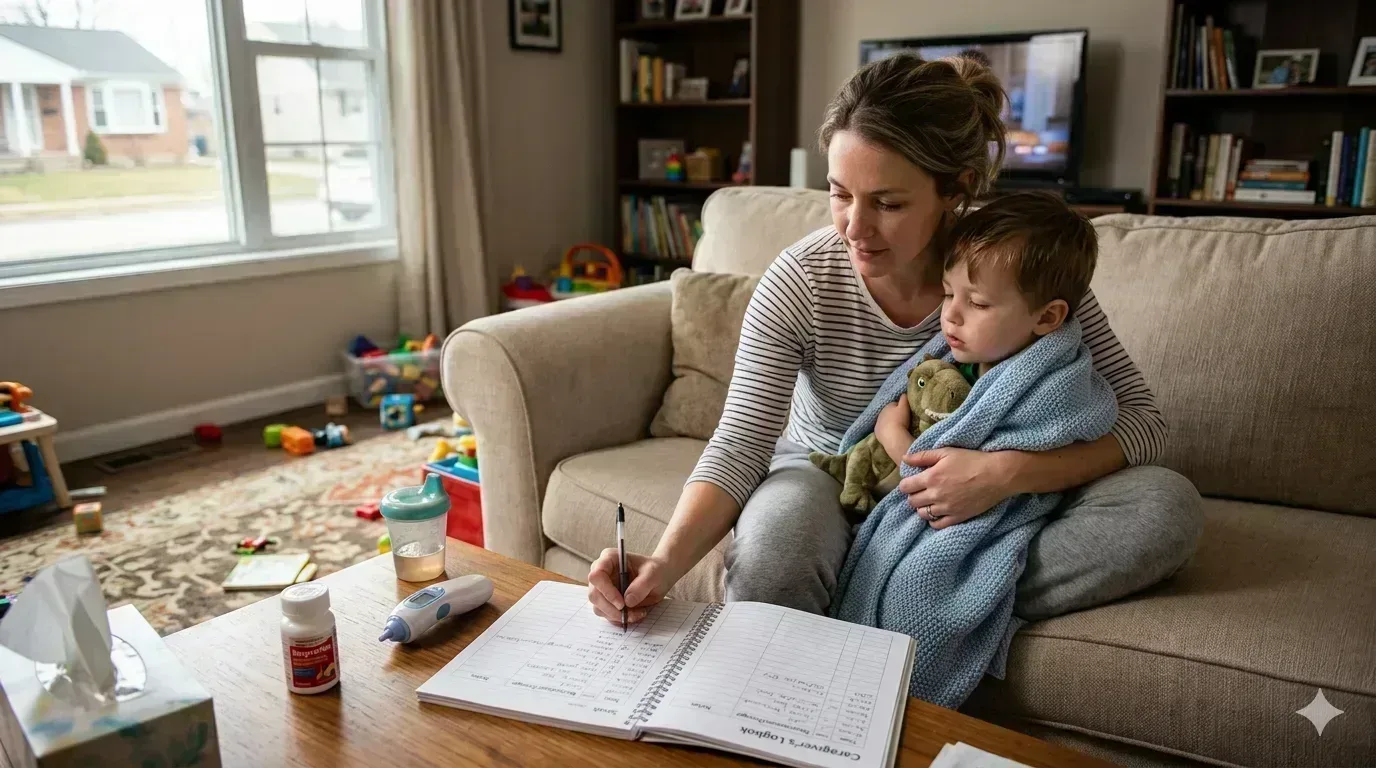
Log phone calls and emails. When you call to follow up on a referral, discuss a concern with a teacher, or check in with a case manager — log it. Date, who you spoke to, what was discussed. These records are essential if things ever need to be escalated.
Using Technology to Fill the Gap
Tools like Beetably were built specifically for this coordination role. You can maintain a complete therapy team roster with each provider's contact info and authorized hours, log sessions, track goals, and export records when you need to share them.
The goal isn't to replace the care team — it's to give the person managing the whole picture the tools they need to do that job well.
You are your child's most consistent advocate. The better organized your records, the more effectively you can play that role.